



posted 5th April 2026
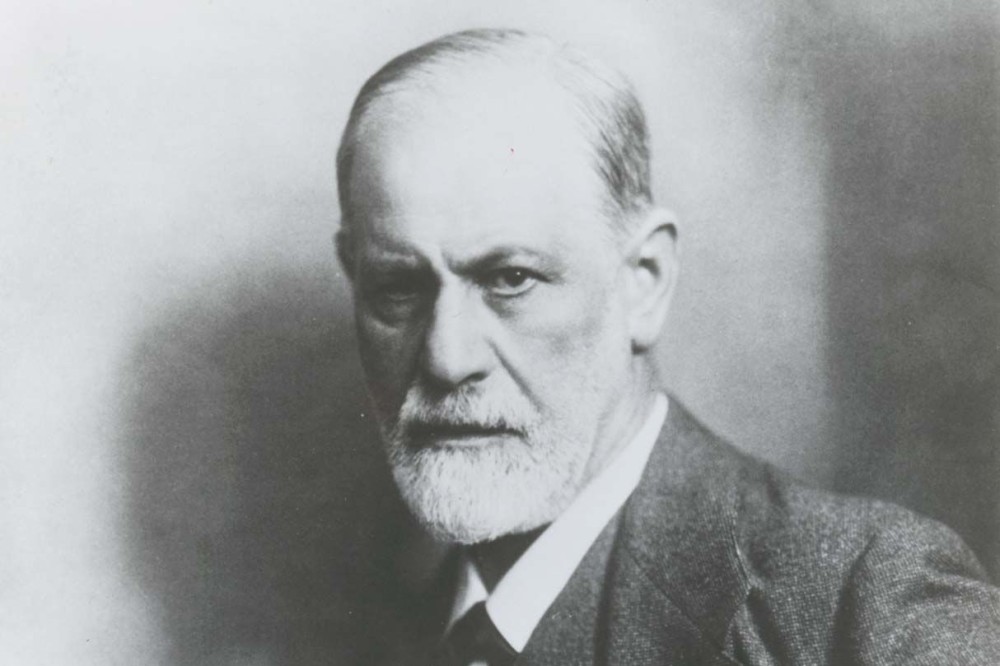
Sigmund Freud is one of the great enigmas of the 20th century. A revolutionary thinker in the field of human psychology. A figure defined by admirers and detractors that climb over each other trying to either claim a small piece of his undeniably impressive legacy or to launch a counter insurgency and discredit his arguments as fantasy and failure. Which one though, which one am I having poured my way through Freud’s The Unconscious.
The Unconscious is a collection of essays that Freud first published in 1915. The essence of the collection of essays is substantiating the unconscious nature of human behaviour, of human instincts and of human vulnerability. Freud uses the essay form to take the reader on a journey through the human subconscious. Throughout his essays Freud creates a substory of human evolution, one driven by deeply engrained desires and weaknesses that fuel human behaviour. Freud develops the theory of the pleasure principle and the reality principle. Freud argues that seeking pleasure and avoiding pain are a central aspect of human behaviour. That it is a crucial part of human progress to seek pleasure in all manner of ways. From sexuality to intellectual stimulation, Freud’s theory is essentially that a selfish drive for pleasure is what’s driven humankind since its earliest origins.
Freud’s the Unconscious takes us deep within ourselves. The essays ask us to analyse ourselves, to ask ourselves profound questions about the nature of human evolution, of human biology and of humankind’s greatest flaws and weaknesses. Anyone interested in neuropsychology, psychoanalysis or a fascination with human behaviour can indulge in these essays. Can engage with the mind of one the quintessential thinkers on psychology of the 20th century. From Freud’s theories do we find truth, opinion or a stubborn pleasure in playing with the human mind? By reading Freud’s the Unconscious any reader can submerge themselves in the fascinating pursuit of human psychology.
